Learning the piano can feel overwhelming at first. With 88 keys staring back at you and countless techniques to master, it’s easy to think progress will take months or even years. But in 2026, learning piano has become more accessible and efficient than ever. With the right approach, beginners can start playing real music much faster than they expect.
The key isn’t mastering everything at once. It’s focusing on a handful of essential skills that deliver quick results. Once these fundamentals are in place, playing your first full song becomes far more achievable.
Start With the Keyboard Layout
Before you play anything, you need to understand how the piano is organized. The keyboard follows a repeating pattern of white and black keys. Recognizing this pattern allows you to quickly locate notes without guessing.
One of the most important reference points is middle C. Once you can find it instantly, navigating the rest of the keyboard becomes much easier. This foundational awareness saves time and builds confidence early on.
Learn Proper Hand Position
Many beginners overlook hand positioning, but it plays a major role in how smoothly you progress. Keeping your fingers naturally curved and relaxed allows for better control and reduces tension.
Your wrists should stay level not too high or too low. This helps prevent strain and makes it easier to move between notes. Developing good habits from the start will make more advanced techniques feel natural later.
Understand Basic Note Reading
You don’t need to become a sight-reading expert overnight, but understanding the basics of reading music is essential. Learning how notes correspond to keys gives you independence as a player.
Start with simple notes in the treble clef and bass clef. Focus on recognizing patterns rather than memorizing every note individually. Over time, this approach becomes second nature and speeds up your learning process.
Build a Sense of Rhythm
Playing the right notes is only part of the equation timing matters just as much. Rhythm is what turns individual notes into music.
Beginners should start with simple counting patterns. Clapping rhythms before playing them on the piano can also help. This builds coordination and ensures your playing sounds structured rather than random.
Master Simple Finger Coordination
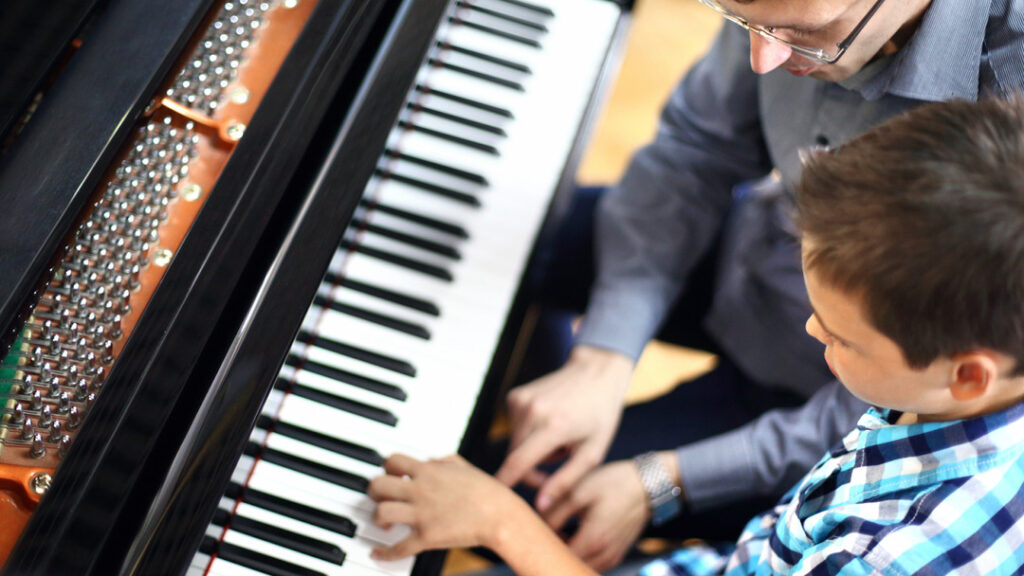
One of the biggest challenges for beginners is getting both hands to work together. At first, it can feel unnatural, but it becomes easier with practice.
Start by practicing each hand separately. Once you’re comfortable, combine them slowly. This step-by-step approach helps build coordination without frustration.
Practice Basic Scales and Patterns
Scales might seem repetitive, but they are one of the fastest ways to improve. They train your fingers to move smoothly across the keyboard and help you understand how notes relate to each other.
Even practicing a single scale can improve your accuracy and speed. Over time, these patterns will appear in the songs you play, making them easier to learn.
Focus on Chords Early
Chords are a shortcut to playing real music quickly. Instead of playing one note at a time, chords allow you to create a full sound with just a few keys.
Learning a few basic chords can unlock dozens of simple songs. This is one of the fastest ways for beginners to feel like they’re actually making music rather than just practicing exercises.
Develop Consistent Practice Habits
Consistency is more important than duration. Practicing for 15–20 minutes every day is far more effective than long, irregular sessions.
Short, focused practice sessions help reinforce what you’ve learned without causing burnout. Over time, this consistency leads to steady progress and noticeable improvement.
Use Simple Songs to Build Confidence
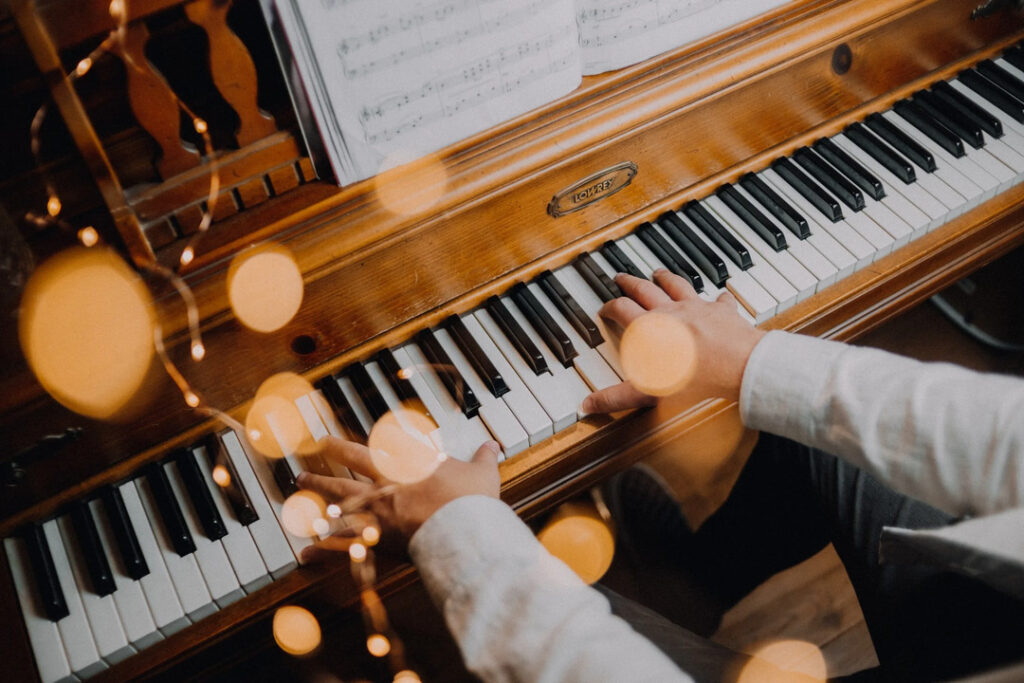
Jumping straight into complex pieces can be discouraging. Instead, start with simple songs that match your skill level.
Playing recognizable melodies early on keeps you motivated. It also helps you apply the skills you’ve learned in a real musical context, which reinforces your progress.
Train Your Ear Along the Way
Listening is just as important as playing. Developing your ear helps you recognize when something sounds right—or wrong.
Try to identify simple melodies by ear or match notes on the keyboard to songs you know. This skill enhances your musical intuition and makes learning new pieces easier.
Technology Is Changing How Beginners Learn
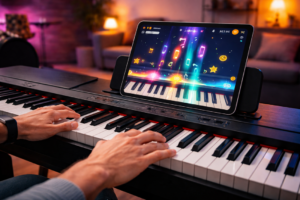
In 2026, learning piano is no longer limited to traditional lessons. Apps, online tutorials, and interactive tools have made it easier than ever to start from home.
These tools provide instant feedback, structured lessons, and even gamified experiences that keep learners engaged. While they don’t replace practice, they can significantly speed up the learning process.
For many beginners, combining technology with traditional techniques creates the most effective path forward.
Progress Comes Faster Than You Think
One of the biggest misconceptions about learning piano is that it takes years to play something meaningful. While mastery does require time, early progress can happen surprisingly quickly.
By focusing on the right skills, beginners can play simple songs within weeks. This early success builds momentum and keeps motivation high.
The key is to stay patient and avoid comparing yourself to advanced players. Everyone starts at the same point, and consistent effort always pays off.
Final Thoughts
Learning piano in 2026 is all about working smarter, not harder. By focusing on essential skills like hand position, rhythm, chords, and consistency, beginners can achieve real progress in a short amount of time.
You don’t need to master everything at once. Start with the basics, build confidence through simple songs, and gradually expand your abilities.
With the right approach, the journey from your first note to your first full song is shorter and more enjoyable than ever.