The way people learn piano is undergoing a remarkable transformation in 2026. Where once piano education was defined by in-person lessons and printed sheet music, today’s landscape is vibrant with artificial intelligence, interactive apps, and smart, connected instruments. No longer a niche innovation, AI-powered piano learning tools have entered the mainstream, becoming an invaluable resource for beginners and experienced pianists alike.
This dramatic shift in music education is part of a larger trend towards greater technological integration and accessibility. As demand grows for flexible, self-paced learning, AI-driven platforms are stepping forward to meet those needs. The result: learning piano is no longer bound to a studio or classroom it can happen anywhere with a device and an internet connection.
The Rise of AI in Piano Learning
Artificial intelligence has brought an unparalleled level of personalization to piano education. Modern piano apps now analyze a student’s performance in real time, detecting mistakes in timing, rhythm, and note accuracy. This instant feedback helps learners address errors as they happen, vastly accelerating progress.
Unlike static, one-size-fits-all lesson plans, AI systems dynamically adjust to the individual’s skill level. Struggling with a particular technique? The app increases targeted practice. Progressing quickly? It offers greater challenge. This responsiveness is a primary reason for the popularity of AI-powered piano learning tools in 2026 they deliver practices that feel tailored, efficient, and engaging.
Smart Keyboards and Connected Instruments Redefine Practice
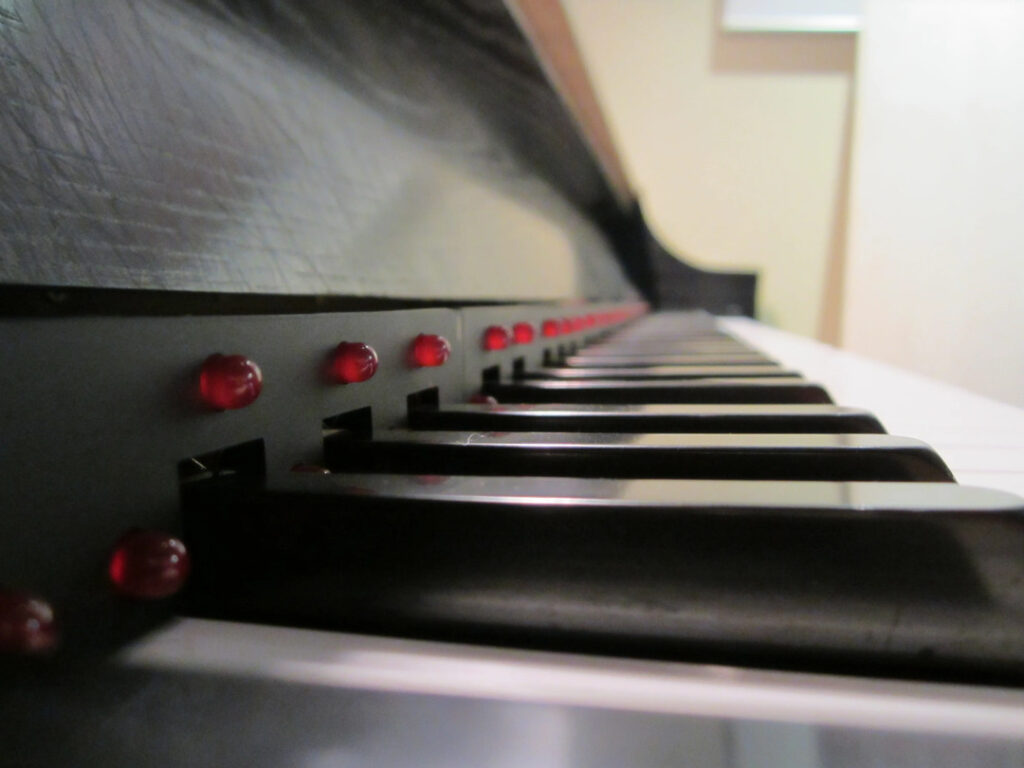
The technology revolution isn’t limited to software; hardware innovation is also reshaping the way people learn piano. Smart keyboards, often equipped with LED-guided keys and seamless app integration, are making practice more interactive and accessible than ever. These keyboards can visually guide students through songs, scales, and chords, minimizing intimidation for beginners while supporting growth for more advanced players.
Paired with AI-driven apps, these instruments track which keys are pressed, measure timing accuracy, and even suggest improvements. This merger of hardware and software provides immediate, actionable feedback bridging the gap between digital instruction and hands-on learning.
For newcomers, this blend of visual and auditory cues makes practice approachable, while experienced players appreciate the detailed analytics that support nuanced improvements.
Accessibility and Convenience Drive Adoption
One of the chief advantages of AI-powered piano learning is its accessibility. Traditional lessons can be costly and dependent on scheduling with an instructor. Digital platforms, however, offer self-paced, on-demand lessons that fit into any lifestyle.
This flexibility is drawing in a diverse range of learners: adults revisiting music, professionals with busy schedules, and younger students all benefit from being able to practice when and where it suits them. Often, a subscription-based app is far less expensive than ongoing private lessons, opening doors that were once closed due to cost or geography.
Furthermore, global reach means learners anywhere regardless of proximity to a qualified teacher can receive high-level instruction, democratizing music education like never before.
The Debate: Can AI Replace Traditional Piano Lessons?
The surge of AI’s role in music learning has sparked ongoing conversation among educators, students, and musicians. While technology excels at teaching technicalities such as timing and note recognition, it falls short in delivering the expressive, emotional, and interpretive aspects of music.
Human instructors can share personal insights, foster artistic development, and teach stylistic nuance in ways algorithms simply cannot. For this reason, many advocate for a hybrid model combining the efficiency of AI tools for drills and basics with the depth and artistry brought by personal mentorship. It’s a balance that harnesses the best of both methodologies.
How AI Is Changing Practice Habits
AI’s influence extends into daily practice habits. Traditional routines often revolve around repetition without feedback, inadvertently reinforcing mistakes. In contrast, AI tools point out errors in the moment, prompting more mindful and productive practice.
Gamification also plays a role: many learning apps now feature progress tracking, achievements, and interactive challenges, helping learners stay motivated and transforming practice into an engaging experience. Large, diverse song libraries further allow students to pick repertoire they genuinely enjoy from classical masterpieces to modern pop hits making each session more rewarding.
Why AI Piano Learning Is a Top Trend in 2026
From a digital trends perspective, interest in “best piano learning apps 2026,” “AI piano lessons,” and “learn piano online fast” is on the rise. The curiosity around technology-driven skills acquisition is fueling new conversations and driving highly relevant content creation for educators, app developers, and musicians.
This trend reflects how technology is not only shaping the tools people use but also redefining how and from whom they learn an ongoing evolution that content creators and industry experts are eager to explore.
The Future of Digital Music Education
Looking ahead, the role of AI in piano learning is poised to grow even more sophisticated. Advances in machine learning could yield feedback capable of analyzing expressive qualities, not just technical proficiency. Meanwhile, virtual and augmented reality may soon bring immersive practice environments that mimic real performances.
However, the value of human connection and one-on-one mentorship will likely remain integral. The future of music education is expected to be one of balance and complementarity where technology enhances learning, and teachers inspire artistry.
A New Chapter for Piano Learning
The rise of AI-powered piano learning tools in 2026 marks a pivotal chapter in music education. By making learning more accessible, personalized, and engaging, these tools are empowering a broader range of people to pursue their musical goals.
While AI may not fully replace traditional lessons, it serves as a powerful tool that complements and enhances the artistic journey. As the digital music education landscape continues to evolve, one thing is certain: piano learning is more dynamic, inclusive, and innovative than ever before, and AI is at the heart of this exciting transformation.