For decades, piano competitions followed a predictable formula: strict repertoire, technical precision, and traditional performance expectations. But in recent years, that model has started to shift.
Modern competitions—especially youth-focused events—are evolving to reflect a broader musical landscape. They now reward not only accuracy, but also artistic individuality, adaptability, and stage presence.
For young pianists, this means preparation is no longer just about playing the right notes. It’s about understanding what performance really means in today’s context.
How Competition Expectations Are Changing
One of the most significant developments is the widening definition of what makes a “successful” performance.
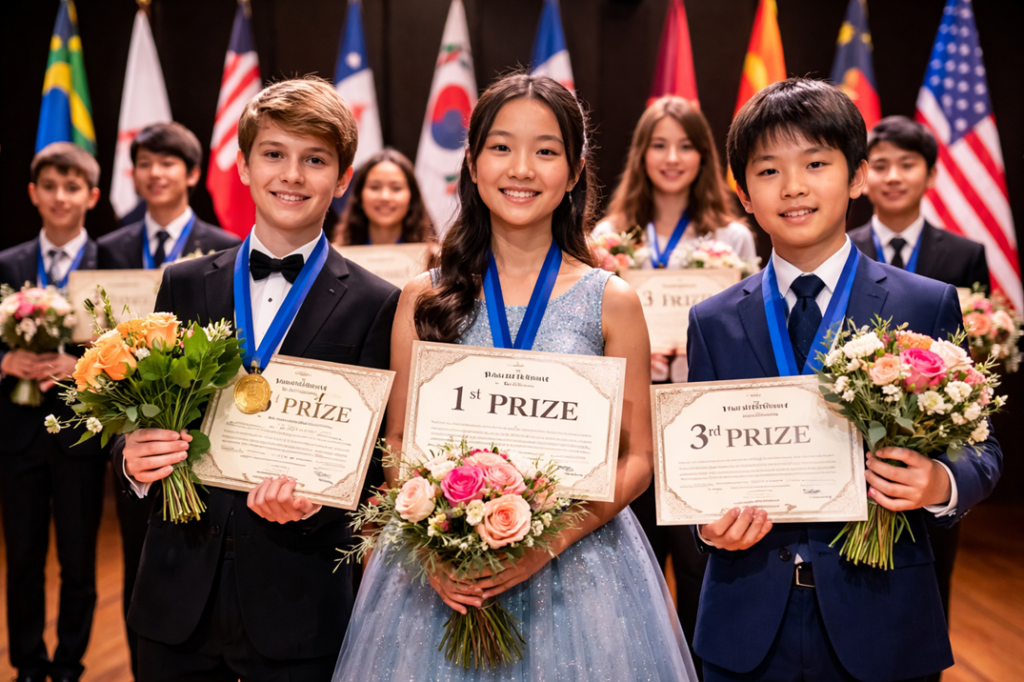
Competitions are increasingly valuing:
- musical storytelling over mechanical precision
- stylistic awareness across multiple genres
- confident stage presence and communication
At major international youth events, judges are placing more emphasis on interpretation and personality, not just technical execution. This reflects a broader shift in classical music toward audience engagement and relevance.
Even traditional competitions are adapting, introducing more flexible repertoire requirements and diverse programming expectations.
The Role Of Global Youth Competitions
Events like the Van Cliburn International Junior Competition and similar global platforms have raised the standard for young performers. These competitions are no longer just local benchmarks—they’re international stages.
Young pianists today are exposed to:
- higher technical standards at earlier ages
- global peer comparison through livestreamed performances
- diverse interpretations from different musical cultures
You can explore how these events are structured and evolving through official competition coverage such as international piano competition updates, where youth-focused events are increasingly highlighted.
This global visibility has changed how students prepare, pushing them toward more complete musicianship earlier in their development.
Technique Still Matters—But In A Different Way
Despite these changes, technique remains essential. However, its role has shifted.
Instead of being the final goal, technique is now seen as a tool for expression. Judges expect:
- control in fast passages
- consistency across dynamic ranges
- efficient movement and relaxed playing
But they’re also looking for how technique supports musical intent.
For example, mastering fluid motion through exercises like clean fast piano passages is no longer just about speed—it’s about clarity, phrasing, and control under pressure.
Repertoire Choices Are Becoming More Strategic
Another major change is how repertoire is selected.
In the past, students often chose pieces based purely on difficulty or tradition. Today, repertoire is increasingly strategic.
Judges are paying attention to:
- contrast between pieces
- stylistic range (Baroque, Classical, Romantic, Modern)
- how well a piece suits the performer
This means a technically harder piece isn’t always the better choice. A well-interpreted, stylistically appropriate program often stands out more than raw difficulty.
Performance Skills Beyond The Keyboard
One of the most noticeable shifts is the importance of non-playing performance skills.
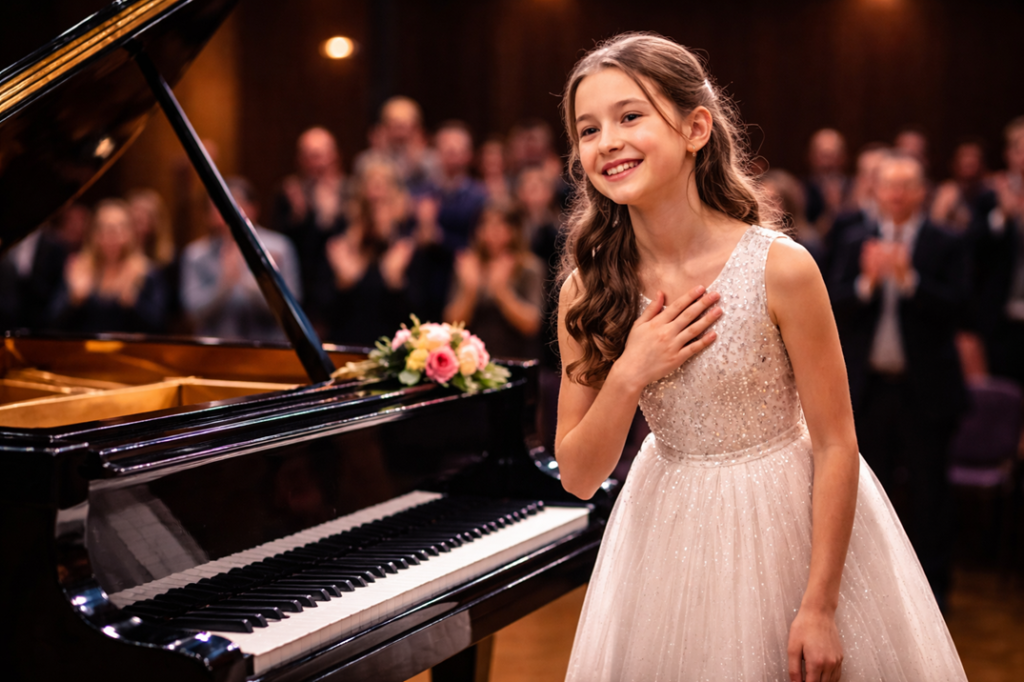
Young pianists are now expected to demonstrate:
- stage confidence
- controlled body language
- emotional connection with the music
These elements influence how a performance is perceived, even when the playing itself is strong.
The rise of livestreamed competitions has amplified this. Performances are no longer judged only in the room—they’re often viewed by global audiences, making presentation and presence more important than ever.
Practice Strategies For Modern Competition Preparation
Preparing for today’s competitions requires a more holistic approach.
Here’s how practice priorities are evolving:
| Focus Area | Traditional Approach | Modern Approach |
|---|---|---|
| Technique | Repetition-heavy | Efficiency and control |
| Repertoire | Difficulty-focused | Musical storytelling |
| Practice Structure | Time-based | Goal-based sessions |
| Performance Prep | Limited | Integrated early |
This shift encourages students to think beyond “hours practiced” and focus on how effectively they practice.
The Influence Of Technology On Competition Training
Technology is also playing a growing role in how young pianists prepare.
Students now have access to:
- video analysis of their performances
- online masterclasses
- global comparison through recorded competitions
This has created a more informed and self-aware generation of pianists. They can identify weaknesses earlier and refine performances with greater precision.
At the same time, it raises expectations. With more tools available, the margin for error becomes smaller, and preparation must be more intentional.
What Young Pianists Should Focus On Today
Given all these changes, the priorities for young competitors are becoming clearer.
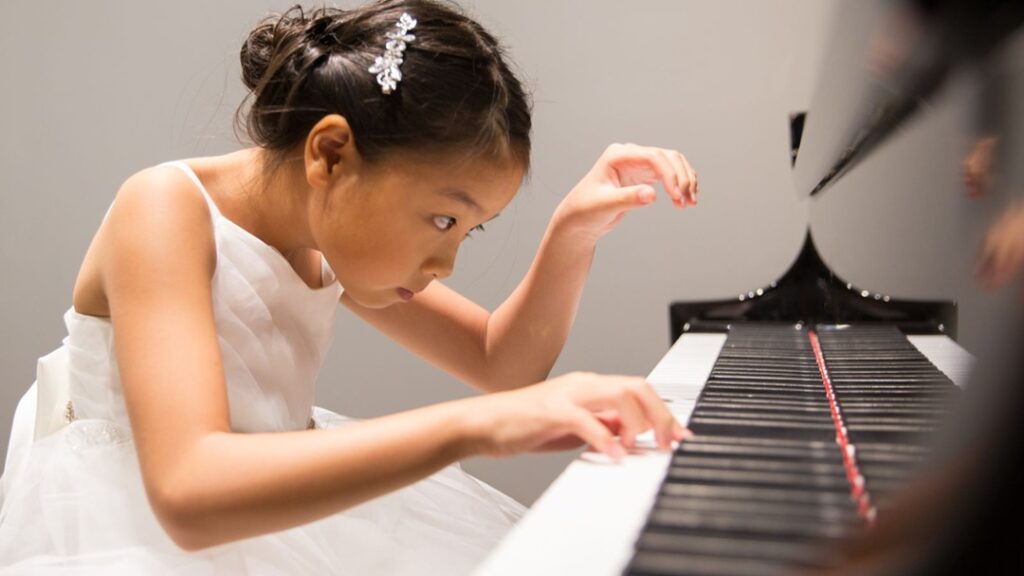
Success in modern competitions depends on:
- building reliable technique that supports expression
- developing a strong sense of musical identity
- choosing repertoire strategically
- practicing with clear, focused goals
Most importantly, it requires understanding that competitions are no longer just technical evaluations—they are complete musical presentations.
A New Standard For Musical Growth
Piano competitions are no longer simply tests of skill—they are reflections of how a musician thinks, communicates, and performs.
For young pianists, this shift is ultimately positive. It encourages a more balanced development that includes technique, artistry, and confidence.
The goal isn’t just to play correctly—it’s to play meaningfully.
And in today’s competitive landscape, that distinction makes all the difference.