The modern piano is no longer just an instrument—it’s becoming a complete content creation hub. As livestreaming, online teaching, and social media performance continue to grow, manufacturers are rethinking how digital pianos fit into a creator’s workflow.
Today’s “livestream-ready” pianos are designed not just for sound and feel, but for seamless integration with recording, streaming, and digital platforms. For beginners and experienced players alike, this shift changes how—and where—you can share your music.
Why Livestreaming Is Shaping Piano Design
The rise of platforms like YouTube, Twitch, and TikTok has created a new type of pianist: the content-driven musician. These players don’t just practice—they perform, teach, and publish regularly.
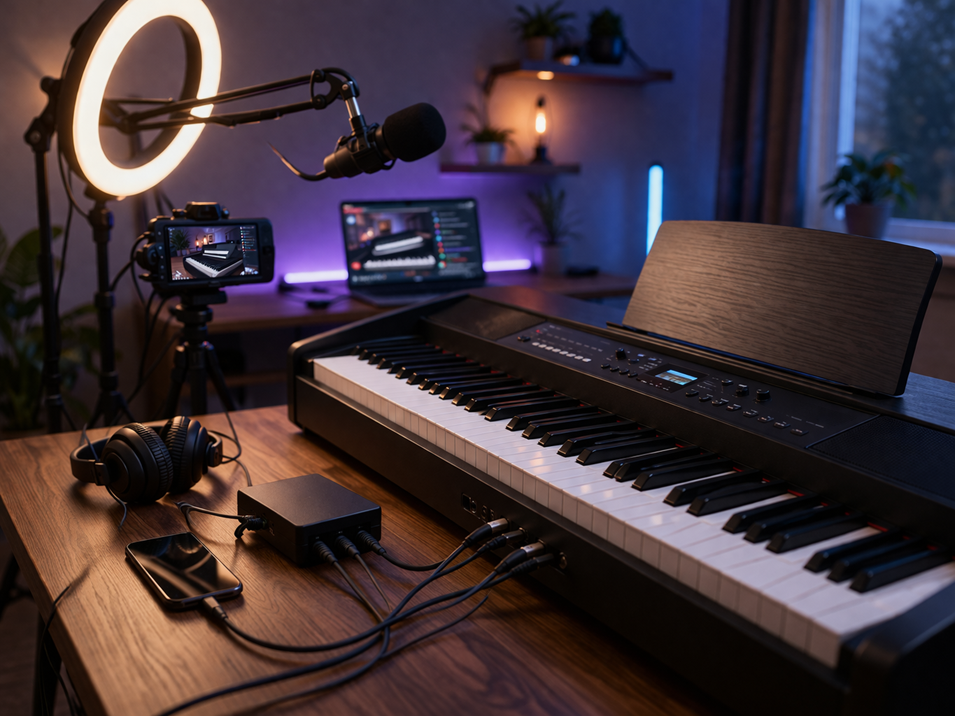
Traditional setups required:
- external audio interfaces
- multiple cables
- microphones or MIDI routing
- additional software configuration
Now, many digital pianos are eliminating those barriers by offering direct-to-device connectivity and simplified audio output.
This evolution reflects a broader trend: instruments are no longer isolated tools—they’re becoming connected creative systems.
Core Features That Make A Piano Livestream-Ready
Not every digital piano qualifies as “creator-friendly.” The newest models stand out because they include features specifically designed for modern workflows.
Here’s how these features compare:
| Feature | Traditional Digital Piano | Livestream-Ready Piano |
|---|---|---|
| USB Audio Output | Limited or MIDI-only | Full stereo audio via USB |
| Built-In Recording | Basic | Multi-track or app integration |
| Direct Streaming Support | ❌ | ✅ |
| Mobile Compatibility | Limited | Optimized for smartphones/tablets |
| Integrated Speakers For Monitoring | Standard | Enhanced for live playback |
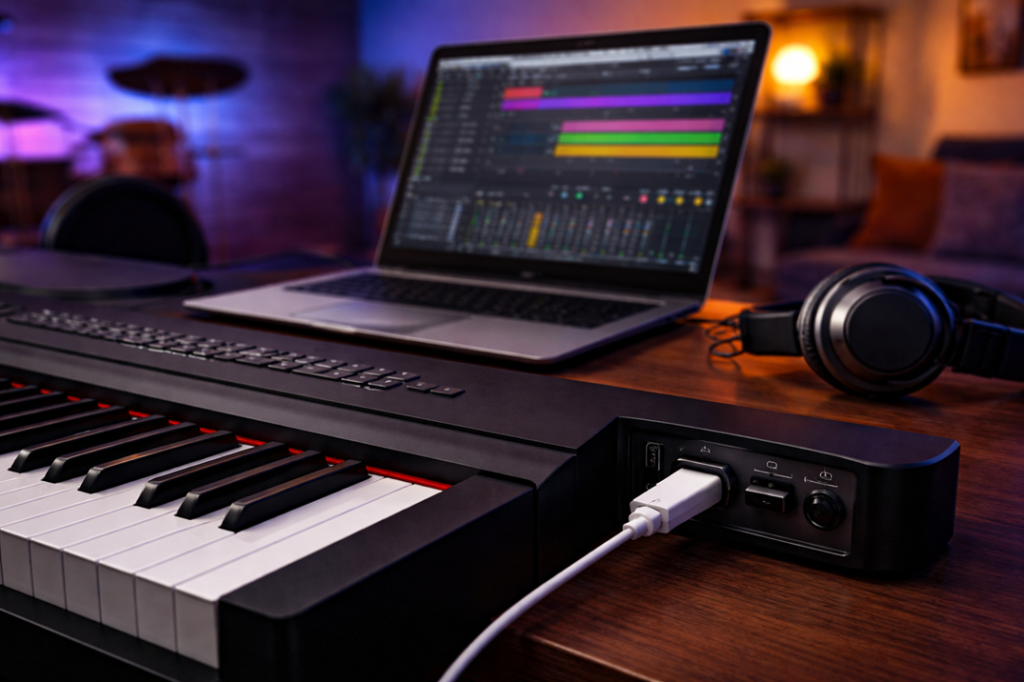
The most important upgrade is USB audio interface functionality, allowing your piano to send clean sound directly into a computer or mobile device—no extra gear required.
The Shift Toward Plug-And-Play Creativity
One of the biggest barriers to content creation has always been technical setup. Livestream-ready pianos reduce that friction dramatically.
Instead of troubleshooting audio chains, players can:
- connect a single USB cable
- open a streaming or recording app
- start playing immediately
This plug-and-play approach encourages more consistent practice and sharing. It also lowers the entry barrier for beginners who want to document progress or experiment with performance early on.
For those building consistency, combining these tools with a structured routine—like this daily piano practice plan—can turn casual playing into trackable, shareable improvement.
Built-In Audio Quality And Why It Matters
Streaming isn’t just about convenience—it’s about sound clarity.
Older setups relied on microphones, which introduced:
- background noise
- inconsistent tone
- room acoustics issues
Modern livestream-ready pianos bypass that entirely by delivering direct digital audio output, preserving the instrument’s full sound engine.
This results in:
- cleaner recordings
- more consistent tone across sessions
- professional-quality audio without studio equipment
For creators, this means your audience hears exactly what you play—no distortion, no guesswork.
Integration With Apps And Learning Platforms
Another key development is the integration between digital pianos and mobile apps.
Many newer models sync with:
- learning platforms
- recording apps
- notation software
- streaming tools
This creates a more unified ecosystem where practice, performance, and publishing all happen within the same workflow.
You can explore how these integrations are evolving across manufacturers through resources like digital piano technology trends, which highlight how connectivity is becoming a core feature rather than an add-on.
Who Actually Needs A Livestream-Ready Piano?
While the term “content creator” might sound niche, the reality is broader.
These instruments are ideal for:
Beginner Players
They can record progress easily and stay motivated by sharing milestones.
Teachers
Online lessons become simpler with clean audio and minimal setup.
Intermediate Players
They can build a presence through performance videos or tutorials.
Casual Creators
Even hobbyists benefit from the ability to capture high-quality audio without technical complexity.
In many cases, the value isn’t just in streaming—it’s in removing friction from the act of playing and sharing music.
Are These Features Worth It?
The answer depends on how you use your instrument.
If your goal is purely private practice, these features may feel unnecessary. But if you:
- want to record regularly
- plan to teach or share content
- prefer a streamlined setup
then a livestream-ready piano offers clear advantages.
More importantly, these tools encourage consistency and engagement, which are critical for long-term improvement.
The Future Of Piano As A Creative Platform
Digital pianos are evolving beyond traditional expectations. They’re no longer just practice tools—they’re becoming interactive, connected platforms for creativity.
Livestream-ready features represent a shift toward:
- accessibility
- immediacy
- integration with modern digital life
For today’s pianist, the question is no longer just what should I play?
It’s also how easily can I share it?
And increasingly, the instrument itself is answering that question.