Piano learning has entered a new era in 2026. What once depended on weekly in-person lessons, paper sheet music, and hours of repetitive practice is now being transformed by powerful artificial intelligence. From smart apps that provide real-time feedback to personalized lesson plans generated in seconds, technology is fundamentally changing how both beginners and experienced musicians approach the piano.
AI is no longer just a practice aid it’s emerging as a full-fledged virtual instructor. These systems can analyze timing, accuracy, and even your expressive playing, offering feedback that once only human teachers could deliver. As a result, many pianists now face an important question: Do we still need traditional piano lessons?
How AI Piano Apps Actually Work
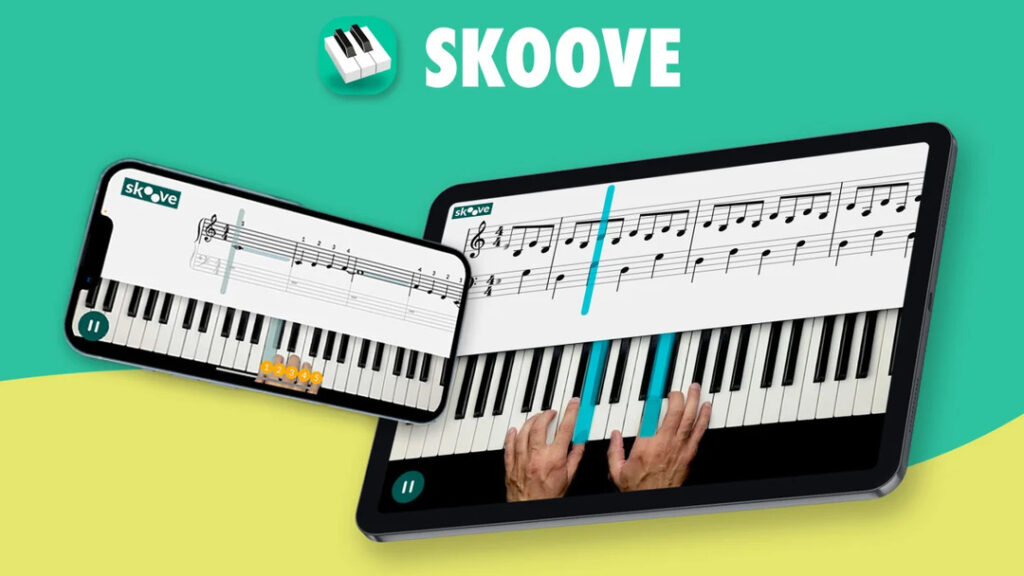
Today’s piano learning apps go far beyond simplistic tutorials. Leveraging advanced audio recognition and machine learning, they “listen” to your playing and provide instant response. If you hit a wrong note or play out of time, the app picks up on the issue and suggests targeted improvements.
Personalization is a major hallmark in 2026. Instead of rigid lesson plans, AI platforms tailor content to your pace, highlighting strengths and generating extra exercises for your weaknesses. Quick learners find more advanced material unlocked for them, while those who struggle with, for example, rhythm or fingering, receive remedial drills automatically.
Some modern apps simulate real teachers by offering conversational guidance you can ask questions, request step-by-step demonstrations, or get practice tips adapted to your individual style. The result is a more interactive, responsive, and engaging learning journey.
Why More Learners Are Choosing Apps
It’s easy to see why AI-driven piano apps have surged in popularity. Convenience is a major factor: Students can practice anytime, fitting piano into their own schedules without worrying about commutes or fixed appointments. This flexibility is especially attractive for adults with busy routines or for children with extracurricular overload.
Cost plays a role as well. Traditional one-on-one lessons can become expensive, especially over months or years of study. Many AI apps offer affordable subscriptions or free versions opening up piano education to wider audiences.
Additionally, gamified elements like progress charts, earning rewards, and interactive challenges keep motivation high. For beginners in particular, app-based learning can feel less intimidating than lessons with a teacher and more like a rewarding, self-paced adventure.
The Limits of Artificial Intelligence
Despite the impressive advances, AI-driven learning isn’t without limits. Apps are excellent at providing technical feedback but often fall short on areas of musical interpretation, such as phrasing, expression, and emotional depth qualities developed through the subtlety of human experience.
A seasoned teacher can sense when frustration, boredom, or anxiety is holding a student back, offering encouragement or creative solutions that algorithms cannot yet match. Physical technique including posture and hand position is another area where in-person guidance remains crucial. Faulty habits formed in these areas can be hard to correct, and not all apps can spot these nuanced mistakes.
Traditional Lessons Still Hold Strong Value
Even with rapid technological advances, human instruction continues to offer unique advantages. One-on-one lessons provide structure, accountability, and personal connection. Teachers bring not just musical knowledge but also mentorship, sharing insights into performance, artistry, and long-term goal-setting.
For advanced players, especially those pursuing professional or classical paths, the role of a skilled teacher remains critical. Mastering complex pieces, developing distinctive interpretation, and preparing for competitions require guidance and feedback beyond the reach of current AI tools.
A Hybrid Future for Piano Learning
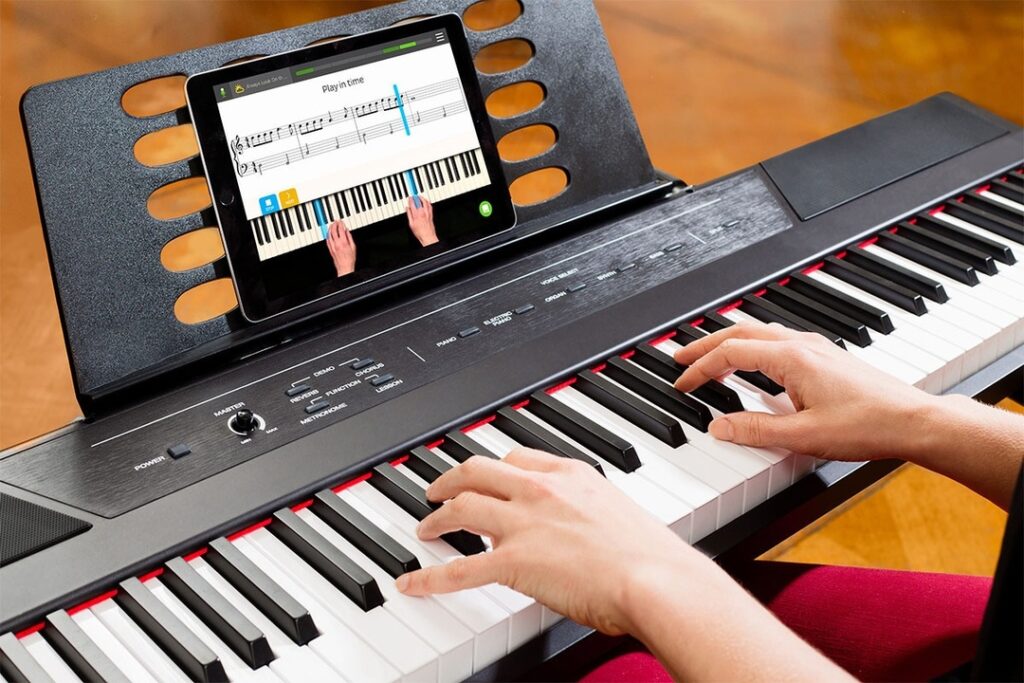
Rather than making traditional teachers obsolete, AI is evolving into a complementary tool. Many students now use a hybrid approach: Relying on AI apps for daily practice and feedback, while attending periodic lessons for in-depth guidance. Teachers themselves are integrating app-based progress tracking into their curriculum, using technology to personalize assignments and reinforce skills between sessions.
In this hybrid model, AI doesn’t eliminate the teacher’s role—it enhances it, adding convenience and accessibility to the learning process.
What This Means for Beginners in 2026
For new pianists, the entry barrier has never been lower. With AI apps, anyone can start their musical journey instantly no travel, large initial outlays, or major time commitments required. However, consistency and occasional expert input are still keys to lasting progress. Regular practice with smart feedback, coupled with periodic guidance from a skilled instructor, can help learners avoid pitfalls and accelerate growth.
Final Thoughts: Replacement or Reinvention?
Can apps truly replace traditional piano lessons? The answer is nuanced. AI has made piano education more flexible, affordable, and engaging than ever serving as a primary tool for many beginners and hobbyists. Yet for those seeking musical expressiveness, artistic depth, and true mentorship, the human element remains irreplaceable.
Instead of declaring the end of piano teachers, 2026 is witnessing the reinvention of piano education a future where tech and tradition combine to unlock the full potential of every pianist.