Learning piano has undergone a major transformation in recent years. While traditional acoustic pianos once dominated homes and music studios, digital pianos have become increasingly popular especially among beginners and urban learners. One of the biggest reasons for this shift is the ability to practice silently using headphones.
This feature has made piano learning more accessible than ever. Students can now practice at any time of day without worrying about disturbing others. However, as digital instruments continue to rise in popularity, an important question has emerged: does silent practice affect long-term progress?
The answer lies in understanding the differences between digital and acoustic pianos, and how each influences technique, musicality, and overall development.
🎼 Understanding the Core Differences Between Digital and Acoustic Pianos
At first glance, digital and acoustic pianos may appear similar. Both have 88 keys, similar layouts, and aim to replicate the same musical output. However, the way they produce sound and respond to touch is fundamentally different.
An acoustic piano generates sound through hammers striking strings, creating natural resonance and tonal variation. Every nuance in touch whether soft or forceful directly affects the sound produced.
Digital pianos, on the other hand, rely on sampled sounds and electronic processing. While modern models are highly advanced and realistic, they simulate rather than physically produce sound.
This distinction plays a crucial role in how students develop their playing skills.
🔇 The Rise of Silent Practice and Its Appeal
Silent practice has become one of the most attractive features of digital pianos. For people living in apartments, shared spaces, or busy households, the ability to practice without noise is a game changer.
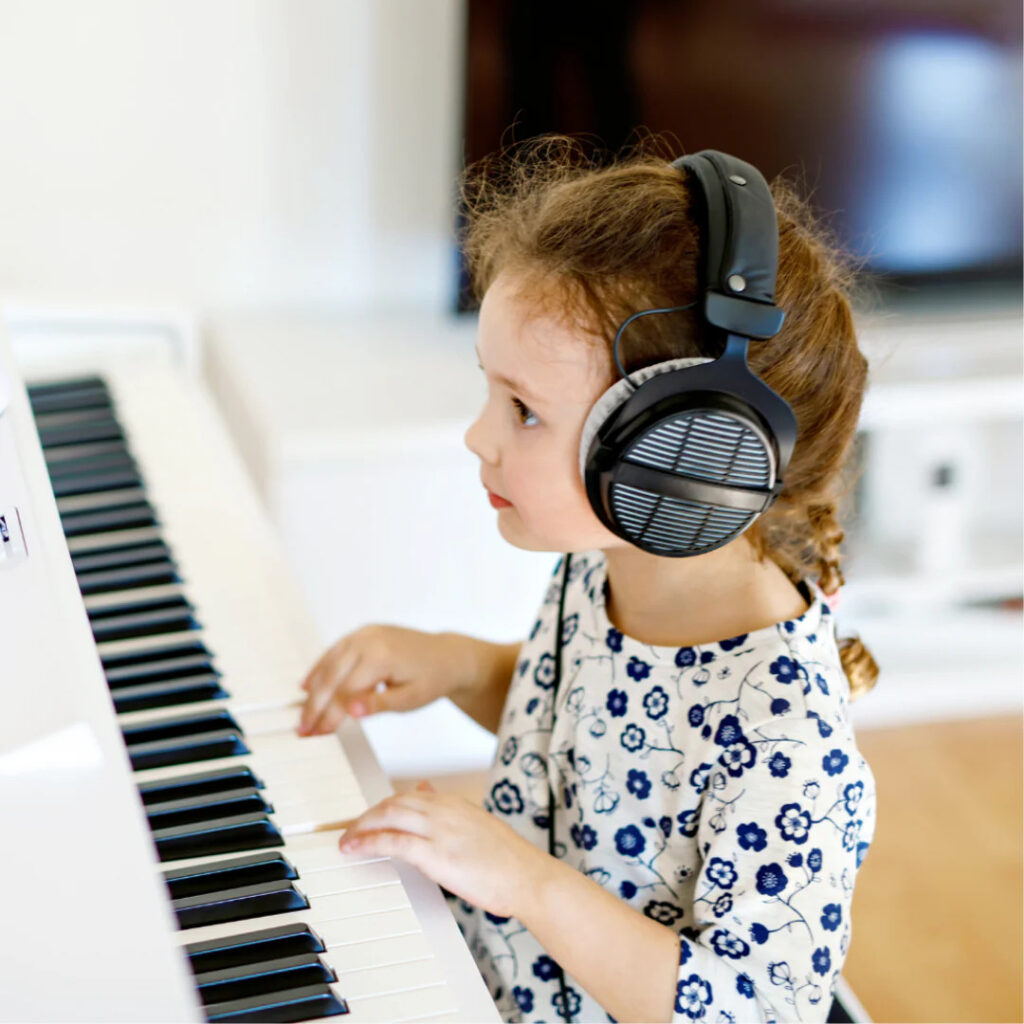
Headphones allow learners to focus without distractions, creating a private and controlled environment. This convenience often leads to more frequent practice sessions, which is essential for improvement.
In many cases, digital pianos remove barriers that might otherwise prevent someone from learning. Without the concern of noise complaints or time restrictions, students can build consistent habits.
However, while silent practice offers clear advantages, it also introduces subtle limitations that are often overlooked.
🎹 Does Silent Practice Limit Technique Development?
One of the main concerns with digital pianos is how they affect touch and technique. Acoustic pianos provide natural resistance and feedback that help players develop finger strength and control.
Although many digital pianos use weighted keys to mimic this feel, they cannot fully replicate the complexity of an acoustic action. The difference may be subtle for beginners but becomes more noticeable as players advance.
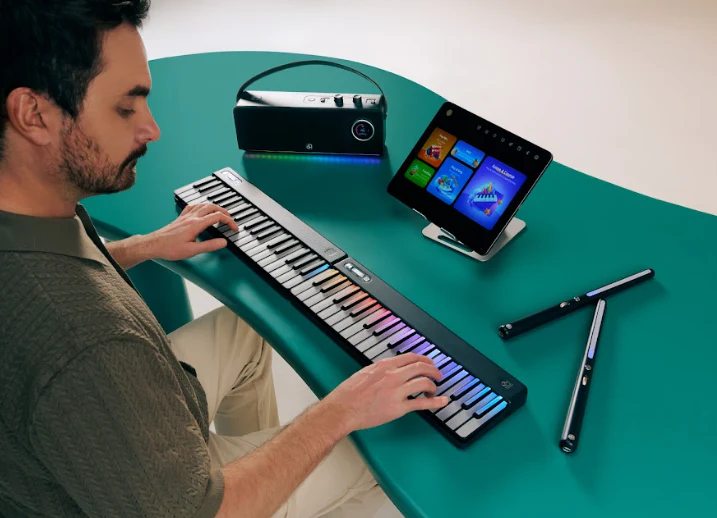
Silent practice can also reduce awareness of dynamics. When using headphones, sound is delivered directly to the ears, which can mask variations in volume and tone. This may lead to less sensitivity in playing expression.
Over time, these small differences can influence how a player transitions to an acoustic instrument.
🎧 The Impact on Musical Expression and Sound Awareness
Music is not just about playing the correct notes it is about expression. Acoustic pianos naturally produce rich overtones and resonance that respond to the environment.
Digital pianos, while impressive, offer a more controlled and consistent sound. When practicing silently, players may miss out on how sound interacts with space, which is an important aspect of musical interpretation.
Additionally, headphones can create an artificial listening experience. The sound is often clearer and more polished than what is heard from an acoustic instrument in a room. This can lead to a disconnect when performing on traditional pianos.
Developing a strong sense of tone and dynamics requires exposure to real acoustic sound, something silent practice alone cannot fully provide.
🏠 Practical Advantages That Cannot Be Ignored
Despite these concerns, digital pianos offer undeniable benefits that make them highly practical for modern learners.
They are often more affordable, require no tuning, and take up less space. Features such as built-in metronomes, recording functions, and learning apps can enhance the practice experience.
Most importantly, silent practice allows for flexibility. Students can practice early in the morning or late at night without limitations. This convenience often leads to increased consistency, which is one of the most important factors in learning any instrument.
For many beginners, these advantages outweigh the drawbacks.
⚖️ Finding the Right Balance Between Digital and Acoustic Practice
Rather than viewing digital and acoustic pianos as opposing choices, many educators recommend a balanced approach. Each instrument offers unique benefits that can complement the other.
A practical strategy includes:
- Using a digital piano for daily practice and convenience
- Spending time on an acoustic piano to develop touch and expression
This combination allows learners to build strong habits while still gaining exposure to authentic sound and feel.
For students who do not have regular access to an acoustic piano, occasional practice on one such as at a music school or studio can make a significant difference.
🎓 What Beginners Should Consider Before Choosing
For those just starting their piano journey, the decision often comes down to lifestyle and goals. Beginners who prioritize convenience and affordability may find digital pianos to be the ideal starting point.
On the other hand, students who have access to an acoustic piano and a quiet practice environment may benefit from starting on a traditional instrument.
It is also important to consider long-term goals. Those aiming for advanced performance or classical training may eventually need to transition to an acoustic piano to refine their technique.
However, starting with a digital piano does not prevent progress it simply requires awareness of its limitations.
🎯 The Verdict: Does Silent Practice Hurt Your Progress?
Silent practice does not inherently harm piano learning. In fact, it can be a powerful tool for building consistency and confidence, especially for beginners.
The key issue is not the use of digital pianos, but relying on them exclusively without exposure to acoustic instruments. While silent practice offers convenience, it should be complemented with experiences that develop touch, tone, and musical awareness.
In 2026, piano learning is more flexible than ever. Technology has opened doors for millions of new learners, making music more accessible across different lifestyles and environments.
Ultimately, progress depends on how effectively a student uses the tools available. Whether digital or acoustic, the most important factor remains the same: consistent, mindful practice.
🎵 A Modern Approach to a Timeless Instrument
The debate between digital and acoustic pianos reflects a broader shift in how people learn music today. Tradition and innovation are no longer in conflict they are part of the same journey.
Silent practice has changed the way people approach piano learning, offering freedom and accessibility that were once unimaginable. While it may not fully replace the experience of an acoustic piano, it provides a valuable pathway for modern musicians.
For learners willing to embrace both worlds, the result is a more versatile and adaptable skill set one that reflects the evolving nature of music itself.