For much of its history, the piano has been treated as a fixed instrument—88 keys, a defined sound, and a clear set of rules for how it should be played.
But every so often, those rules are challenged.
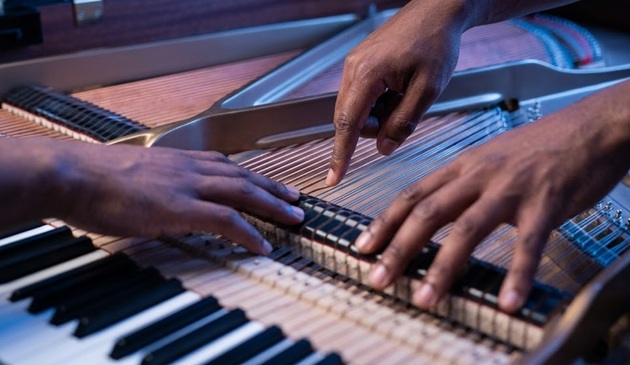
In recent years, there has been renewed interest in prepared piano, a technique that alters the instrument’s sound by placing objects on or between the strings. This resurgence has been fueled in part by the rediscovery of recordings from jazz pianist Jessica Williams, whose experimental work is gaining new attention.
Her 2025 posthumous release Blue Abstraction highlights a side of piano playing that is less about tradition and more about exploration, texture, and sound design.
This revival isn’t just historical—it’s practical. It offers modern pianists new ways to think about technique, creativity, and the instrument itself.
What Prepared Piano Actually Is
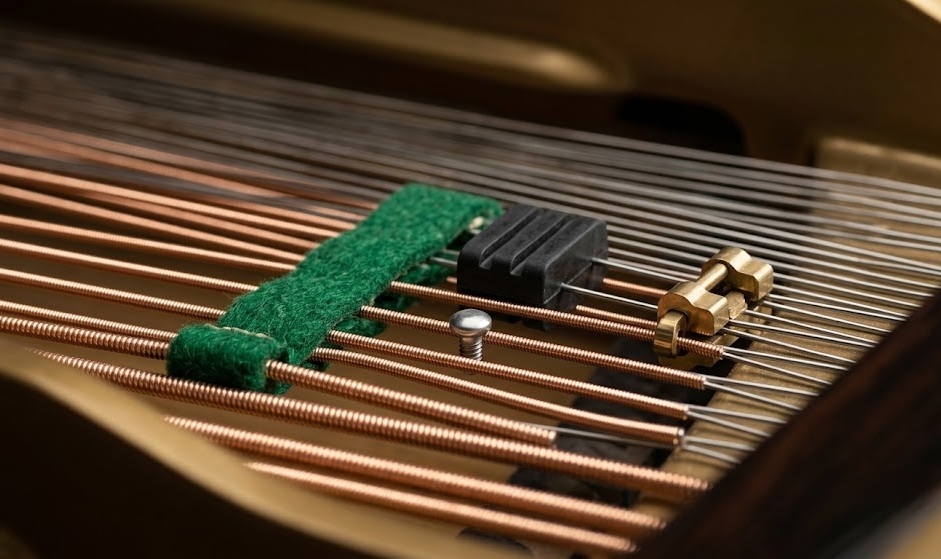
Prepared piano involves modifying the strings of the instrument using objects such as:
- felt
- rubber
- screws or small metal pieces
These materials change how the strings vibrate, producing sounds that can resemble percussion, muted tones, or entirely new textures.
While the concept was famously introduced by John Cage in the 1940s, it has evolved far beyond its experimental origins.
Today, it is being revisited not as a novelty, but as a legitimate extension of piano technique.
Why Jessica Williams’ Work Is Being Rediscovered
Jessica Williams, who passed away in 2022, was known primarily as a jazz pianist. However, her experimental recordings reveal a different dimension of her artistry.
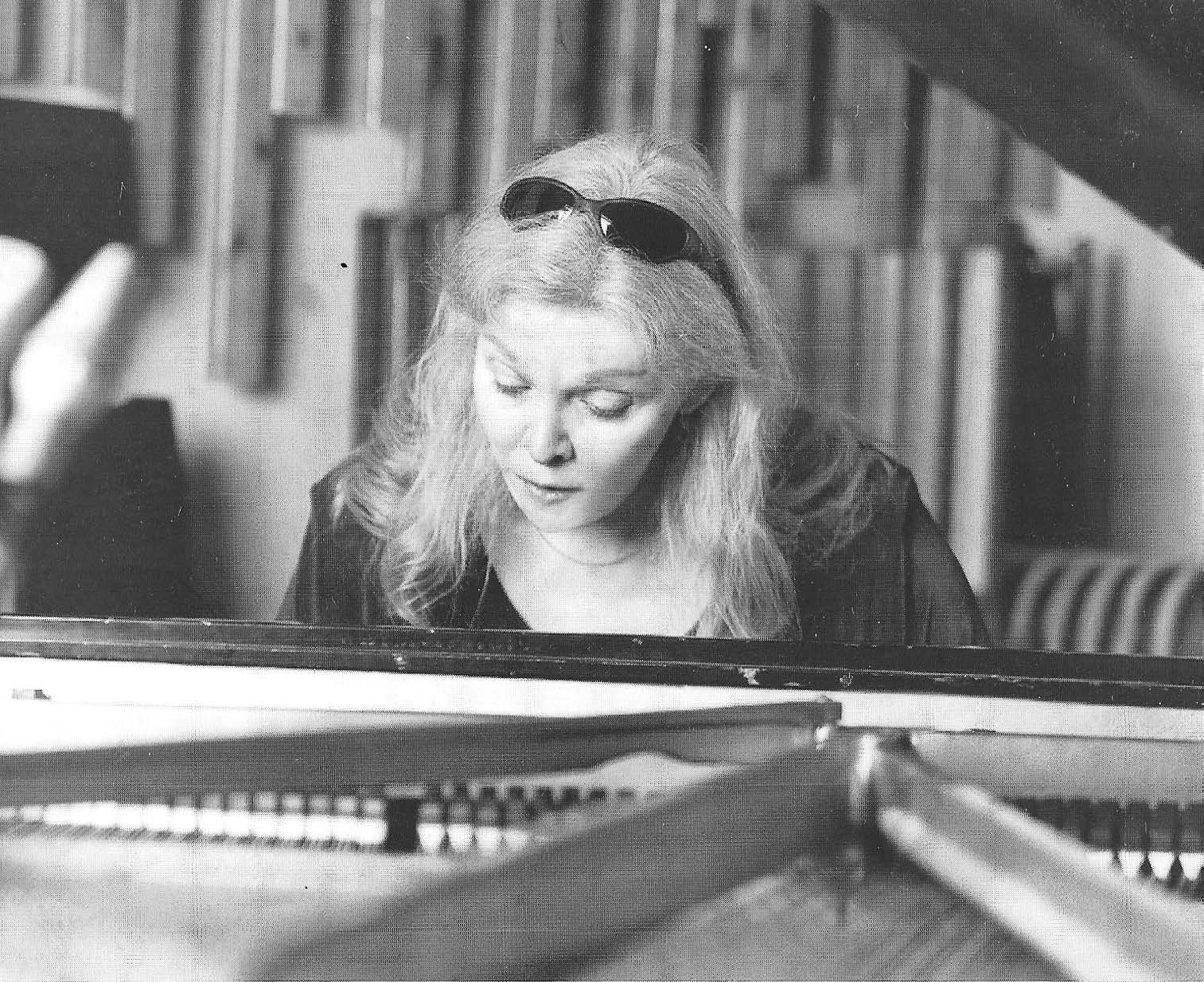
With the release of Blue Abstraction in 2025, listeners are discovering:
- unconventional tonal textures
- rhythmic patterns that blur melody and percussion
- a willingness to push the boundaries of traditional piano sound
What makes her work particularly relevant today is how it aligns with modern trends in music—where genre boundaries are less rigid and sound exploration is highly valued.
Her recordings feel contemporary, even though they were created outside the mainstream.
The Shift Toward Sound Exploration In 2026
The renewed interest in prepared piano reflects a broader shift in music.
In 2026, musicians are increasingly focused on:
- texture over complexity
- atmosphere over speed
- experimentation over strict adherence to tradition
Digital production has played a role in this. As listeners become accustomed to layered, processed sounds, there is a growing curiosity about how similar effects can be created acoustically.
Prepared piano offers exactly that—a way to transform sound physically rather than digitally.
How Prepared Piano Changes Technique
One of the most interesting aspects of prepared piano is how it affects physical playing technique.
When the sound of the instrument changes, the player must adapt:
- touch becomes more deliberate
- dynamics behave differently
- timing and articulation require adjustment
This forces a deeper awareness of how sound is produced.
Unlike traditional playing, where technique often becomes automatic, prepared piano demands constant attention and responsiveness.
That awareness can carry over into standard playing. Developing sensitivity through experimentation can improve clarity and control, especially when working on structured techniques like advanced pedaling control, where subtle changes in sound matter significantly.
Creativity And Constraint: An Unusual Balance
Prepared piano introduces an interesting paradox: it expands possibilities while also creating limitations.
Because the instrument is altered, certain notes may behave unpredictably or lose their traditional tone. This forces the player to think differently about:
- phrasing
- harmony
- rhythmic structure
| Element | Traditional Piano | Prepared Piano |
|---|---|---|
| Tone | Consistent | Variable and altered |
| Technique | Standardized | Adaptive |
| Creativity | Within structure | Driven by experimentation |
This balance between constraint and freedom often leads to more inventive musical ideas.
Where Prepared Piano Fits In Modern Practice
Prepared piano is not something most pianists will use daily. But its value lies in how it changes perspective.
It can be used to:
- break creative plateaus
- develop listening skills
- explore non-traditional sound relationships
Even short sessions experimenting with sound can lead to insights that improve regular playing.
For intermediate and advanced players, it provides a way to move beyond repetition and engage with the instrument in a more exploratory way.
The Influence Of Experimental Techniques On Mainstream Playing
While prepared piano remains a niche practice, its influence is spreading.
Elements of experimental thinking are appearing in:
- film scoring
- ambient and minimalist music
- modern classical compositions
These styles often prioritize texture and atmosphere—qualities that prepared piano emphasizes.
As a result, even players who never physically prepare a piano are indirectly influenced by its aesthetic.
What Pianists Can Learn From This Comeback
The return of prepared piano is less about adopting a specific technique and more about adopting a mindset.
Jessica Williams’ work reminds us that:
- the piano is not limited to its traditional sound
- technique can be a tool for exploration, not just precision
- creativity often comes from stepping outside established patterns
For learners, this doesn’t mean abandoning fundamentals. It means recognizing that technical skill and creative freedom can coexist.
A Broader Definition Of Piano Playing
Prepared piano challenges the idea that there is only one “correct” way to play the instrument.
It expands the definition of pianism to include:
- sound experimentation
- unconventional techniques
- new forms of expression
This broader perspective is becoming increasingly relevant in 2026, as music continues to evolve across genres and platforms.
Why This Revival Matters Now
The renewed interest in Jessica Williams’ work and prepared piano reflects a deeper cultural shift.
Musicians are no longer just refining tradition—they are reinterpreting it.
For pianists, this means more opportunities to explore, create, and develop a personal voice.
Because ultimately, the most important skill is not just playing the piano correctly—it’s understanding what the instrument can become in your hands.