For generations, the identity of a pianist was relatively fixed: formal training, traditional repertoire, and a career built through competitions and concert halls.
That model is changing.
Artists like Hayato Sumino—born July 14, 1995, in Tokyo—represent a new type of pianist. One who is equally comfortable performing Chopin on stage, improvising across genres, and reaching millions through digital platforms.
This shift isn’t just about technology. It’s about how musicians define themselves in a world where music, personality, and visibility are increasingly interconnected.
From Competition Stage To Global Audience
Sumino’s trajectory still includes traditional milestones. He won the Grand Prix at the 42nd PTNA Piano Competition in 2018 and reached the semifinal stage of the International Chopin Piano Competition in 2021.
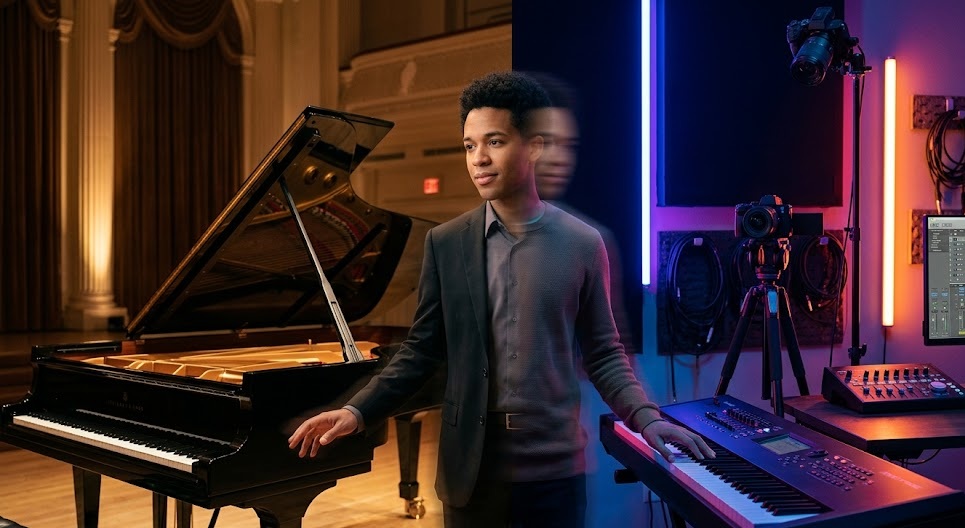
But what sets him apart is what happened alongside that path.
During the Chopin Competition, his performance drew around 45,000 online viewers, an unusually high number for a classical event.
This moment reflects a broader change:
classical performance is no longer confined to the concert hall—it is now part of a global digital experience.
The Rise Of The “Hybrid” Pianist
Modern pianists are no longer defined by a single role.
Hayato Sumino is simultaneously:
- a concert pianist performing at venues like Carnegie Hall (March 31, 2026 debut with The Philadelphia Orchestra)
- a composer releasing albums such as Human Universe (2024) and Chopin Orbit (2026)
- a digital creator with over 1.5 million YouTube subscribers and 240+ million views
This combination is becoming the new standard.
Rather than choosing between classical purity and modern accessibility, today’s pianists are blending both into a unified identity.
Why Online Presence Now Matters
Social media is no longer optional—it’s part of the profession.
Platforms like YouTube and TikTok allow pianists to:
- build global audiences early in their careers
- experiment with repertoire and style
- connect directly with listeners
In 2026, this trend has accelerated. A new generation of artists—including Sumino and Yunchan Lim—are driving classical music’s visibility through viral performances and streaming success.
For many listeners, the first encounter with classical piano no longer happens in a concert hall—it happens on a screen.
Style And Visual Identity As Part Of Musicianship
Another defining shift is the role of visual identity.
Sumino has openly discussed how clothing and presentation are extensions of his musical expression, incorporating brands like Saint Laurent and Issey Miyake into his stage presence.
This reflects a broader evolution:
- performance is now both auditory and visual
- personal branding influences audience connection
- musicians are expected to communicate identity beyond sound
In a digital-first environment, how a pianist looks and presents themselves can shape how their music is received.
Blending Genres Without Losing Classical Roots
What makes artists like Sumino particularly compelling is their ability to move between styles.
His performances often include:
- traditional classical repertoire (Chopin, Bach)
- jazz-influenced phrasing and improvisation
- original compositions
This flexibility allows him to reach audiences that might not traditionally engage with classical music.
Importantly, this doesn’t replace classical training—it builds on it. The foundation remains technical discipline and expressive control, supported by consistent development through tools like piano technique fundamentals.
Technology As A Creative Tool
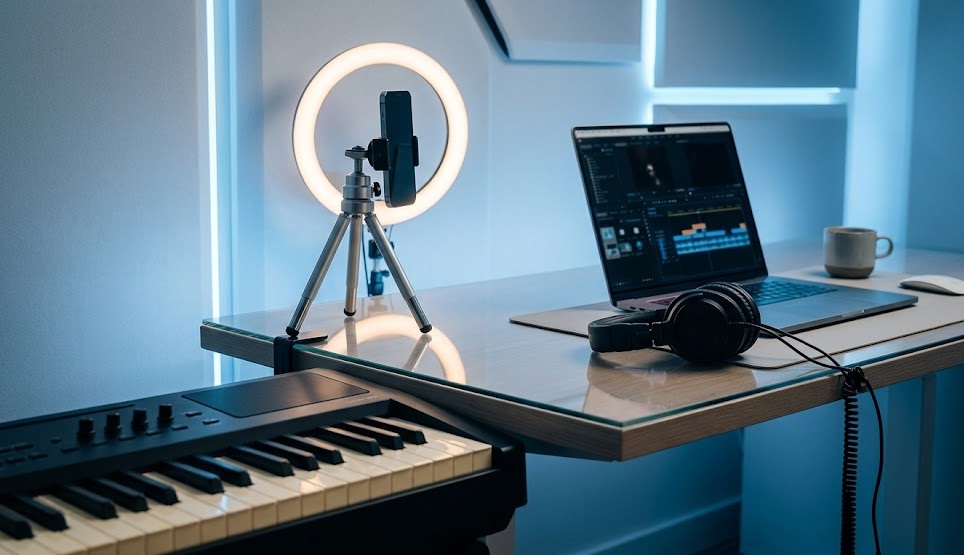
Sumino’s background also highlights another key trend: the integration of technology into musicianship.
He studied engineering at the University of Tokyo, graduating with a master’s degree in 2020, and later explored music technology and AI at IRCAM in France.
This combination of technical and musical knowledge is increasingly relevant.
Modern pianists are not just performers—they are:
- content creators
- producers
- digital storytellers
Technology is no longer separate from music—it’s part of how music is created and shared.
A New Audience For Classical Music
One of the most important outcomes of this shift is the audience itself.

Concerts featuring artists like Sumino are attracting:
- younger listeners
- digitally engaged audiences
- people discovering classical music for the first time
This is critical for the future of the genre.
By embracing modern platforms and presentation styles, these pianists are helping classical music remain relevant and accessible in a rapidly changing cultural landscape.
Traditional Vs Modern Pianist Identity
To understand the shift, it helps to compare how the role has evolved.
| Aspect | Traditional Pianist | Modern Pianist (2026) |
|---|---|---|
| Career Path | Competitions → Concerts | Competitions + Digital platforms |
| Audience Reach | Local / regional | Global, online-first |
| Repertoire | Mostly classical | Multi-genre, original works |
| Identity | Music-focused | Music + personal brand |
| Interaction | Limited | Direct audience engagement |
This transformation is not replacing tradition—it’s expanding it.
What This Means For Aspiring Pianists
For students and emerging players, the implications are clear.
Success today is no longer defined by a single path. It involves:
- strong technical foundation
- creative flexibility
- ability to connect with audiences
The modern pianist is not just a performer—they are a communicator.
And that communication happens across multiple platforms.
A Redefined Role For The Pianist
Artists like Hayato Sumino are not abandoning classical music—they are redefining how it exists in the modern world.
By combining:
- technical mastery
- digital presence
- personal style
they are shaping a new identity for the instrument itself.
The piano is no longer confined to tradition. It is evolving alongside culture, technology, and audience expectations.
And for today’s pianists, that evolution isn’t a challenge—it’s an opportunity.