For decades, digital pianos have been trying to solve the same challenge: how to recreate the depth, responsiveness, and nuance of an acoustic instrument.
In 2026, that challenge is being addressed more effectively than ever—not through a single breakthrough, but through a combination of technologies known as hybrid sound engines.
These systems are changing how digital pianos respond to touch, how they project sound, and ultimately how they feel to play. The result is an experience that, for many players, is closer to acoustic than ever before.
What A Hybrid Sound Engine Actually Is
At a technical level, digital pianos have historically relied on two main approaches: sampling and modeling.

Sampling involves recording real piano notes at different dynamics, while modeling uses algorithms to simulate how a piano produces sound in real time.
A hybrid sound engine combines both.
Instead of choosing between realism (sampling) and flexibility (modeling), modern instruments blend the two to create:
- authentic recorded tone
- dynamic response to touch
- evolving resonance based on how notes interact
This hybrid approach allows digital pianos to behave less like playback devices and more like responsive acoustic systems.
Why Pure Sampling Was No Longer Enough
Sampling technology improved significantly over the years, but it always had a limitation: it’s fundamentally static.
Even with multiple velocity layers, a sampled note is still a recording. It doesn’t truly “react” to subtle variations in timing, pedaling, or touch.
This becomes noticeable when:
- playing repeated notes
- layering chords with sustained pedal
- transitioning between dynamic levels
Hybrid engines solve this by allowing the sound to change in real time, rather than simply switching between pre-recorded layers.
The Role Of Physical Modeling In Modern Pianos
Physical modeling is what brings digital pianos closer to acoustic behavior.
Instead of replaying sound, modeling simulates:
- string vibration
- hammer impact
- sympathetic resonance between notes
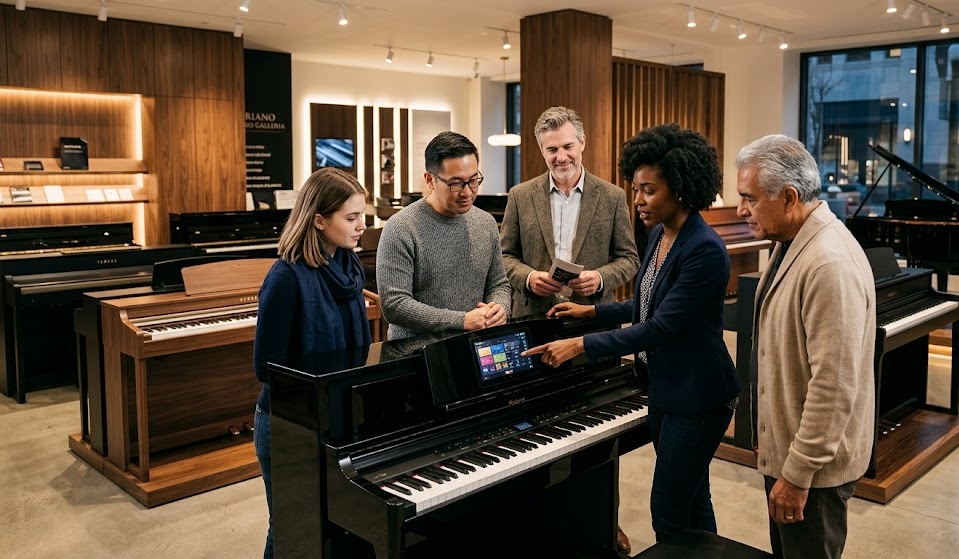
In high-end systems like Roland’s Piano Reality Modeling, the sound engine is part of a larger ecosystem that includes the keyboard, pedals, and speakers working together.
This integration allows for details like:
- natural decay and sustain
- interaction between notes in a chord
- more expressive control over tone
These are subtle differences—but they’re exactly what experienced players notice.
How Major Brands Are Approaching Hybrid Sound
Different manufacturers are applying hybrid technology in distinct ways.
| Brand | Approach | Notable Technology |
|---|---|---|
| Yamaha | Sampling + resonance modeling | Virtual Resonance Modeling (VRM) |
| Roland | Full physical modeling systems | Piano Reality Modeling |
| Kawai | Hybrid rendering + harmonic imaging | SK-EX Rendering |
Across all of them, the goal is the same: to reduce the gap between digital and acoustic playing.
At NAMM 2026, models like the Roland KIYOLA KF-20 and KF-25 showcased how modeling engines are paired with advanced key actions to deliver a more expressive, nuanced playing experience.
Why Players Feel The Difference Immediately
The impact of hybrid sound engines isn’t just technical—it’s physical.
When you play a modern digital piano with hybrid technology, you’ll notice:
- smoother transitions between soft and loud playing
- more control over tone color
- a more “alive” response when using the sustain pedal
This is because the instrument is reacting to your input continuously, not stepping between predefined sounds.
For developing pianists, this matters more than it might seem. It helps build touch sensitivity and control that translate directly to acoustic instruments.
The Connection Between Sound And Technique
One of the biggest advantages of improved sound engines is how they influence technique.
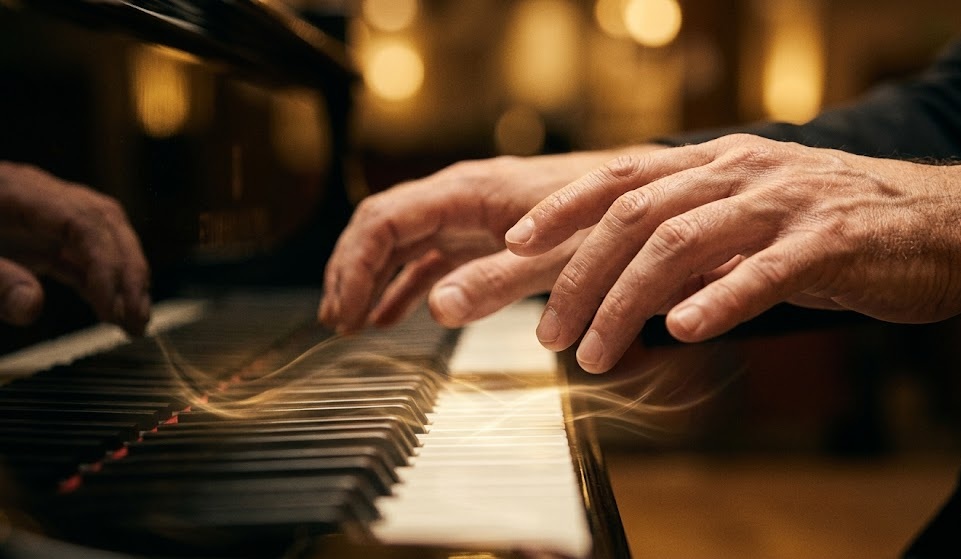
When a piano responds naturally, players are encouraged to:
- refine dynamics more precisely
- control finger pressure more carefully
- listen more actively to tone changes
This is especially important when working on expressive elements of playing. For example, developing control through advanced pedaling techniques becomes far more meaningful when the instrument accurately reflects those subtle changes.
In this way, better sound engines don’t just improve the listening experience—they improve the learning process itself.
Hybrid Sound Engines And The Future Of Piano Design
The rise of hybrid sound engines reflects a broader shift in how digital pianos are designed.
Instead of treating sound, touch, and amplification as separate components, modern instruments integrate them into a unified system.
This includes:
- coordinated sound engines and key sensors
- speaker systems designed to mimic acoustic projection
- pedal systems that affect resonance in real time
Together, these elements create a more immersive experience—one that feels less digital and more organic.
You can explore how these technologies are shaping current instruments through digital piano technology trends, where hybrid engines are now considered a core feature rather than a premium extra.
Are We At The Point Of True Realism?
Hybrid sound engines have brought digital pianos closer to acoustic instruments than ever before—but they haven’t fully replaced them.
Acoustic pianos still offer unmatched complexity in:
- natural resonance across the soundboard
- physical vibration felt through the instrument
- subtle tonal unpredictability
However, for most players, the difference is no longer a limitation—it’s a preference.
Digital pianos now offer realism that is more than sufficient for:
- serious practice
- performance preparation
- recording and content creation
A Turning Point In Digital Piano Evolution
The rise of hybrid sound engines marks a turning point.
Digital pianos are no longer trying to imitate acoustics with shortcuts—they are using advanced technology to recreate the underlying physics of sound itself.
For modern pianists, this means:
- more expressive practice
- better technical development
- greater flexibility without sacrificing realism
The result is an instrument that doesn’t just sound better—it feels more alive under your hands.
And that’s what makes 2026 such an important moment in the evolution of the piano.