Each year, Piano Day offers a snapshot of the instrument’s place in modern culture. In 2026, that snapshot tells a clear story: the piano isn’t fading—it’s expanding.
From global livestream performances to community events and online collaborations, Piano Day 2026 revealed something deeper than celebration. It highlighted how the piano has evolved into a modern, connected, and widely accessible instrument.
What was once centered around concert halls and formal training is now part of everyday creative life.
What Piano Day Represents Today
Originally created to celebrate the piano on the 88th day of the year, Piano Day has grown into a global event that reflects how the instrument is used today.
In 2026, the event included:
- livestream concerts from multiple continents
- social media performances from amateur and professional players
- collaborations between classical, jazz, and electronic musicians
This diversity shows that the piano is no longer confined to a single tradition. It has become a platform for multiple styles, skill levels, and creative approaches.
The Global Reach Of Piano Culture
One of the most striking aspects of Piano Day 2026 is how global it has become.
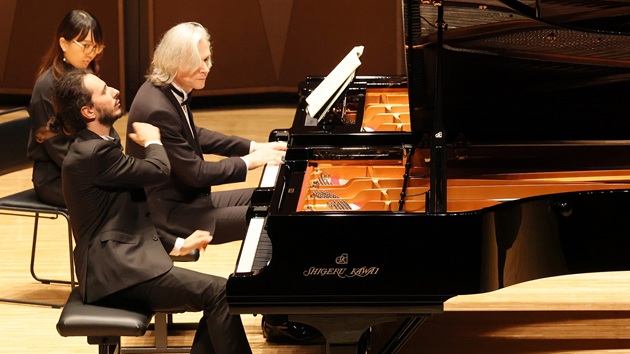
Thanks to digital platforms, a performance recorded in one country can be experienced instantly around the world. This has created a shared musical space where:
- beginners can learn from international players
- professionals can reach broader audiences
- communities can form around shared musical interests
Coverage of global piano events continues to highlight this expansion, with platforms like Piano Day official updates showcasing performances and collaborations from across the world.
The result is a piano culture that feels more connected and inclusive than ever before.
Digital Platforms Are Driving Growth
The growth of Piano Day is closely tied to the rise of digital platforms.
Today, pianists are not limited to traditional performance venues. They can:
- share performances instantly
- document practice progress
- connect with audiences directly
This has fundamentally changed how the instrument is experienced. The piano is no longer just something you practice privately—it’s something you participate in publicly, even at a beginner level.
The accessibility of recording tools and digital pianos has made it easier for more people to take part.
Why More People Are Learning Piano Now
Another key takeaway from Piano Day 2026 is the increase in new learners.
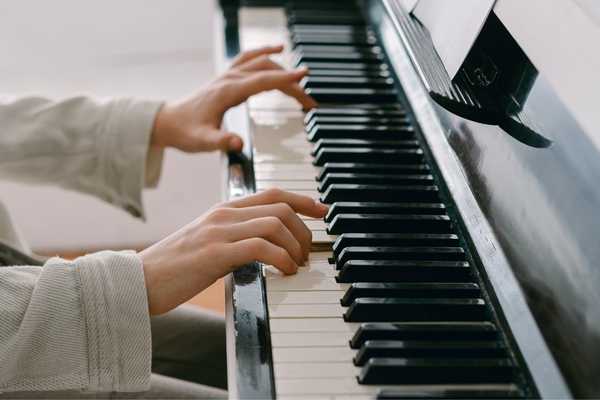
Several factors are driving this trend:
- the availability of online learning tools
- more affordable digital instruments
- flexible practice options that fit modern schedules
Unlike previous generations, today’s learners can start without needing a teacher, an acoustic piano, or a dedicated practice space.
This has lowered the barrier to entry significantly, allowing more people to explore the instrument.
The Role Of Community In Motivation
One of the most powerful elements of Piano Day is the sense of community it creates.
Learning piano has traditionally been a solitary activity. Now, it’s becoming more social.
Players can:
- share their progress online
- participate in global challenges
- interact with other musicians
This sense of connection plays a major role in motivation. When practice feels part of a larger community, it becomes easier to stay consistent.
Pairing that motivation with structured habits—like a simple daily piano routine—can turn occasional playing into steady improvement.
How Technology Has Changed The Instrument
The piano itself has also evolved.
Modern digital pianos now offer:
- realistic key action and sound
- built-in recording and streaming capabilities
- compatibility with apps and learning platforms
This has transformed the instrument from a static object into a flexible creative tool.
Players can practice quietly, record instantly, and share performances without additional equipment.
Piano Popularity Then Vs Now
To understand the shift, it helps to compare how piano engagement has changed over time.
| Aspect | Traditional Piano Culture | Modern Piano Culture |
|---|---|---|
| Learning Method | In-person lessons | Apps, online platforms, hybrid learning |
| Performance | Concert halls, recitals | Social media, livestreams, global sharing |
| Accessibility | Limited by cost and space | More affordable and flexible |
| Community | Local | Global and digital |
This shift explains why Piano Day feels bigger each year—it reflects a broader transformation in how people interact with music.
What This Means For The Future Of Piano
The growth seen in Piano Day 2026 suggests that the piano is entering a new phase.
It is becoming:
- more accessible to beginners
- more versatile for creators
- more connected across global communities
This doesn’t replace traditional piano culture—it expands it.
Concert performance, classical training, and technical mastery still matter. But they now exist alongside new forms of expression and participation.
A Modern Instrument With Timeless Appeal
Piano Day 2026 shows that the instrument’s strength lies in its adaptability.
The piano has always been capable of expressing a wide range of musical ideas. What’s changed is how those ideas are shared.
Today, anyone can be part of the piano world—whether they’re performing on a stage, recording at home, or simply learning their first notes.
And that accessibility is exactly why the piano is more popular than ever.