Every year, NAMM sets the tone for where music technology is heading. But in 2026, one trend stood out clearly: digital pianos are no longer just improving—they’re evolving into entirely new types of instruments.
Manufacturers like Yamaha, Roland, and Korg showcased a wave of new models that push beyond traditional expectations. From refined key actions to deeper software integration, the latest releases reveal a future where digital pianos are more responsive, connected, and expressive than ever before.
What NAMM 2026 Revealed About Piano Innovation
The NAMM Show remains one of the most important global events for music technology, bringing together major manufacturers and showcasing the latest breakthroughs in digital instruments.
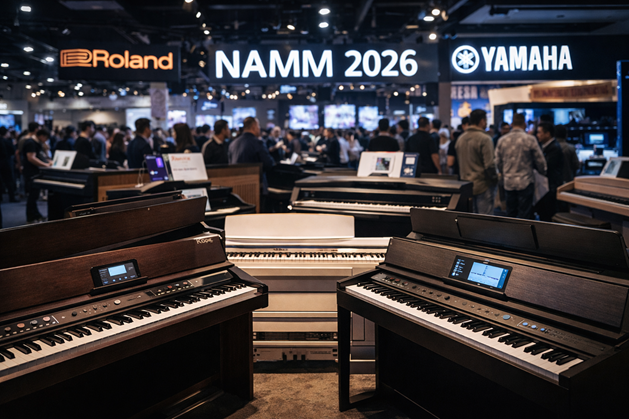
In 2026, the emphasis shifted toward:
- realism in both sound and touch
- integration with digital ecosystems
- hybrid approaches combining acoustic and digital elements
Rather than incremental upgrades, many releases focused on redefining how players interact with the instrument itself.
A New Focus On Realistic Playing Experience
One of the clearest trends across multiple brands is the continued push toward realism.
New models feature:
- advanced hammer action systems with improved key balance
- more detailed sound modeling instead of static sampling
- refined response to subtle touch variations
This aligns with a broader industry goal: making digital pianos feel less like electronic devices and more like true acoustic substitutes.
Some high-end models, such as Roland’s latest Kiyola series, combine premium key action with advanced modeling engines to deliver warmer, more character-rich tones and realistic control.
Design Is Becoming Part Of The Instrument
Another major shift is the role of design.
Digital pianos are no longer purely functional—they’re becoming furniture-grade instruments that integrate into modern living spaces.
At NAMM 2026, several models emphasized:
- natural wood finishes
- minimalist cabinet designs
- compact form factors for smaller homes
This reflects a growing demand for instruments that fit both musically and visually into everyday life.
Connectivity And Creator Features Are Expanding
Beyond feel and sound, connectivity is now a core feature—not an extra.
Many new models include:
- USB audio and MIDI integration
- Bluetooth connectivity for apps and devices
- compatibility with learning and recording platforms
This shift supports a new type of player: one who doesn’t just practice, but also records, shares, and teaches online.
The trend aligns closely with the rise of content-driven piano learning, where instruments are expected to function as part of a broader digital workflow.
A Wider Range Of Instruments For Different Players
NAMM 2026 didn’t just showcase high-end models—it revealed a broader spectrum of instruments designed for different use cases.
| Category | Key Focus | Example Features |
|---|---|---|
| Entry-Level Digital Pianos | Accessibility | Lightweight design, simplified interfaces |
| Home Digital Pianos | Realism + Design | Cabinet speakers, furniture aesthetics |
| Stage Pianos | Performance Flexibility | Portability, expanded sound libraries |
| Hybrid Instruments | Acoustic Feel | Real key actions with digital sound engines |
This diversity reflects a more mature market, where players can choose instruments tailored to specific goals rather than general use.
The Rise Of Hybrid And Experimental Instruments
Perhaps the most interesting trend is the emergence of hybrid concepts.
Manufacturers are experimenting with instruments that blur the line between acoustic and digital. Some innovations go even further, introducing entirely new ways of producing sound.
For example, experimental designs like Korg’s latest innovations combine physical sound elements with digital control, creating instruments that feel both organic and futuristic.
This suggests that the future of piano isn’t just about replication—it’s about expanding what the instrument can be.
What This Means For Piano Players
For players, these developments have practical implications.
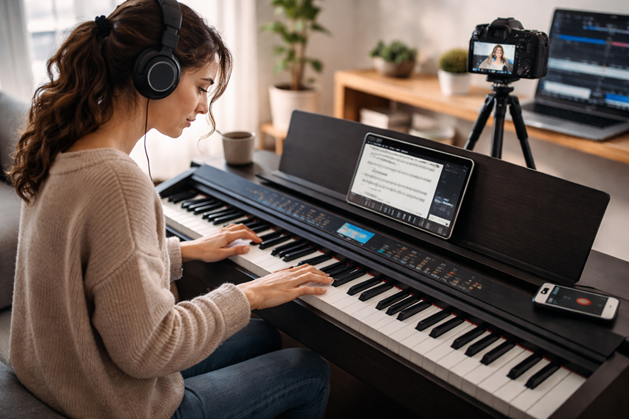
Modern digital pianos now offer:
- more consistent technique development due to realistic touch
- easier integration with practice and recording tools
- greater flexibility in where and how you play
For beginners especially, this removes many traditional barriers. You can start learning on an instrument that feels authentic while still benefiting from digital convenience.
If you’re exploring your first instrument, understanding differences in feel—like in this digital piano key action guide—becomes even more important as options expand.
The Industry Is Moving Faster Than Ever
Another key takeaway from NAMM 2026 is the pace of innovation.
Manufacturers are no longer releasing updates every few years—they’re continuously refining technology based on player feedback and evolving use cases.
From improved sound engines to smarter connectivity, the digital piano is becoming a platform that evolves alongside the player.
You can explore a broader overview of these releases through NAMM 2026 keyboard announcements, where new models span everything from beginner instruments to advanced performance setups.
A Turning Point For Digital Pianos
NAMM 2026 didn’t just introduce new instruments—it highlighted a shift in how digital pianos are perceived.
They are no longer secondary options or practice tools. They are becoming:
- primary instruments for learning
- flexible tools for performance and recording
- central pieces of modern musical environments
For today’s pianists, this means more choice, more capability, and fewer compromises.
The digital piano isn’t just catching up to the acoustic—it’s starting to define its own future.